
Why Japanese Interior Designers Choose Dummy TVs for Minimalist Showrooms | YIJIA Props
Why Japanese Interior Designers Choose Dummy TVs for Minimalist Showrooms
In Japan, interior design has always been guided by the principles of minimalism and balance. Every object placed in a space must serve a purpose, visually or emotionally. This is why more and more Japanese interior designers are turning to dummy TVs for minimalist interiors and prop electronics as part of their showroom staging and apartment displays.
Minimalism Meets Realism
Minimalist spaces need realism without distraction. A dummy TV provides the scale and lifestyle context of a modern living room without introducing glowing screens that interfere with the serene atmosphere.
Cost & Eco Benefits in Small-Space Living
Japan’s urban areas, especially Tokyo, are known for compact apartments. Real electronics add cost and maintenance. By contrast, lightweight prop laptops are power-free, reusable, and eco-friendly.
Future Trends
As design trends evolve, Japanese designers are also experimenting with AI-designed display props and virtual staging models, keeping showrooms innovative.
FAQ
Q: Why do Japanese showrooms prefer dummy TVs?
A: They create lifestyle realism while preserving minimalist aesthetics.
Q: Are prop electronics aligned with Japanese eco trends?
A: Yes, they reduce waste, require no power, and can be reused across multiple projects.
Related Reads
Why Furniture Showrooms Use Dummy TVs? The 5 Secrets of Prop TVs
How Prop TVs Elevate Home Staging in the U.S. Market
Why Top U.S. Home Stagers Choose Fake TVs Over Real Ones
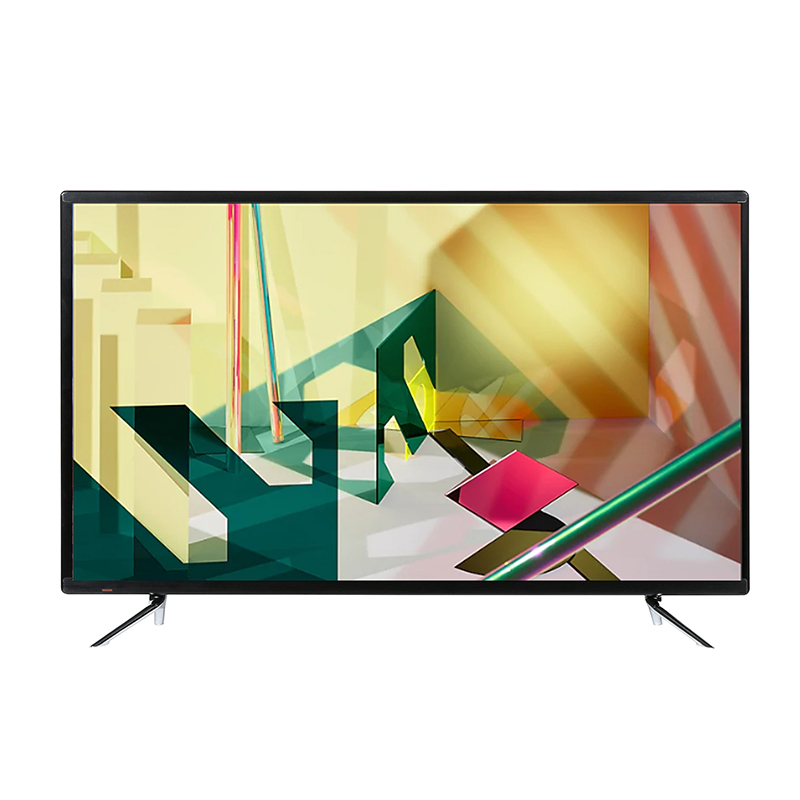 Fake TV for Staging: 42 vs 50 vs 55 vs 60 vs 70 (Which Size Looks Right?)
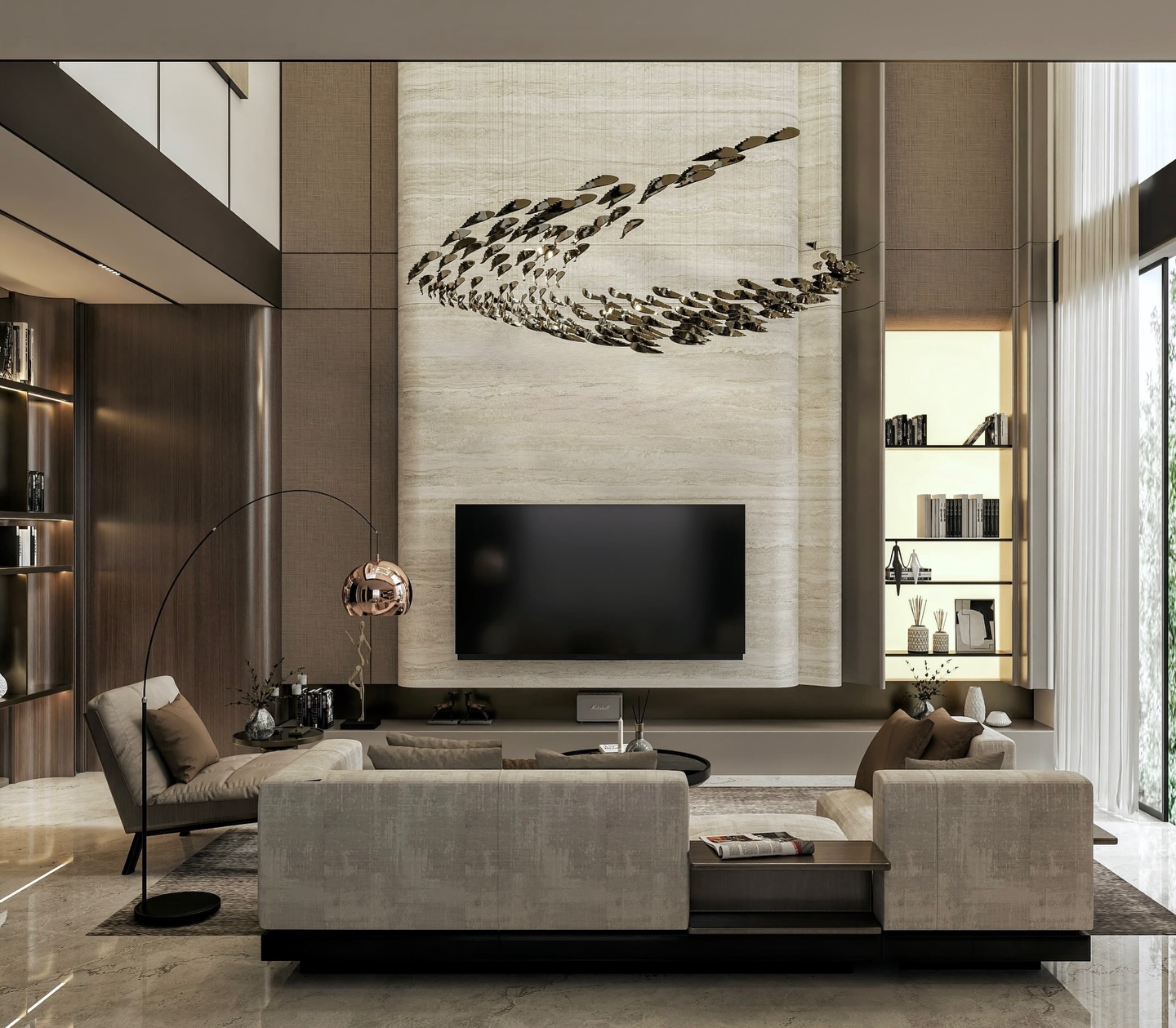 Why UK Showroom Projects Often Fail at the Packaging Stage
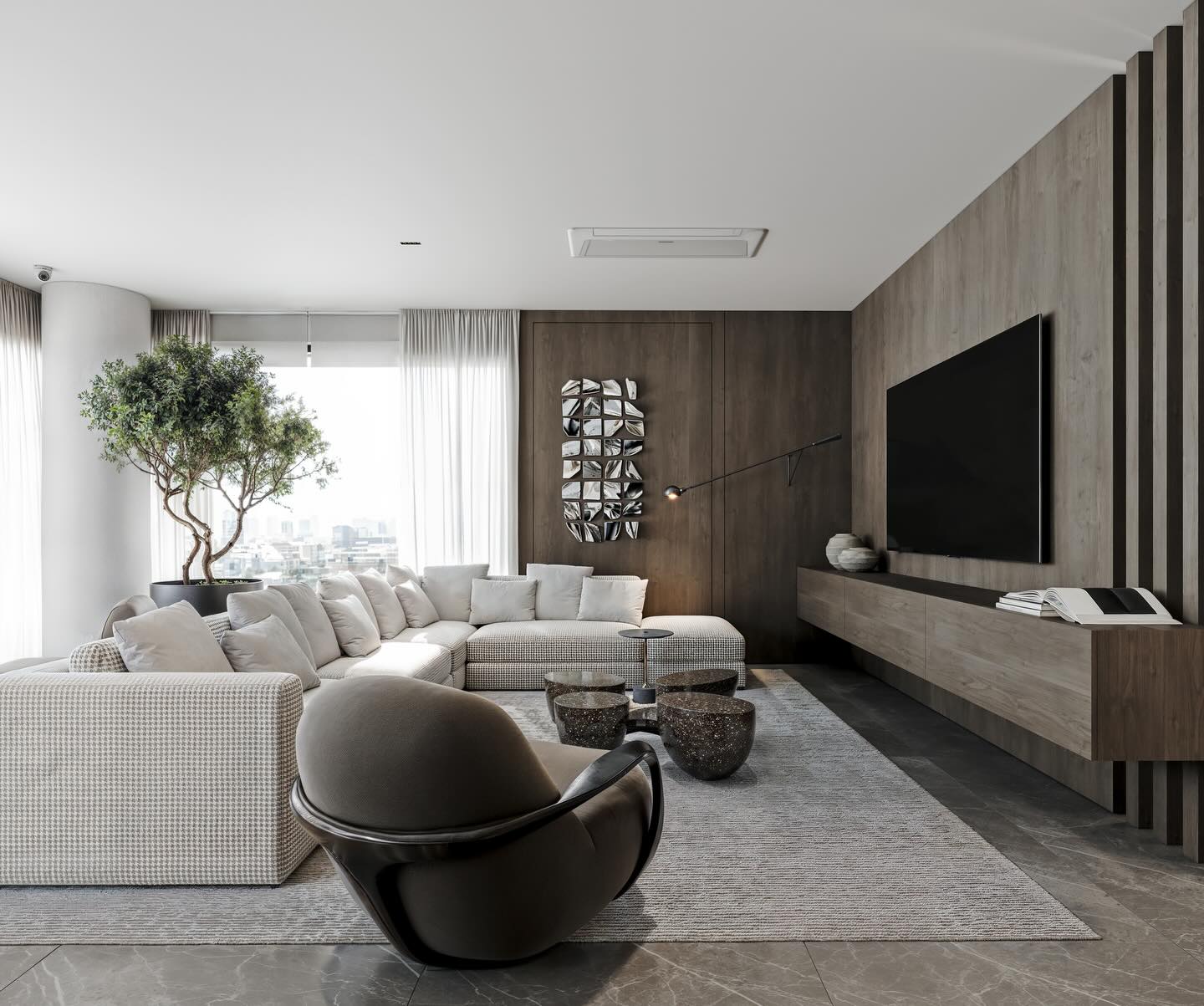 Why Display Consistency Breaks First in Multi-Store US Showroom
 The Power of Silence in Design | Why Display-Only Screens Define Professional Staging